Uncategorized

Endometriosis and Ayurveda
What is Endometriosis According to Ayurveda?

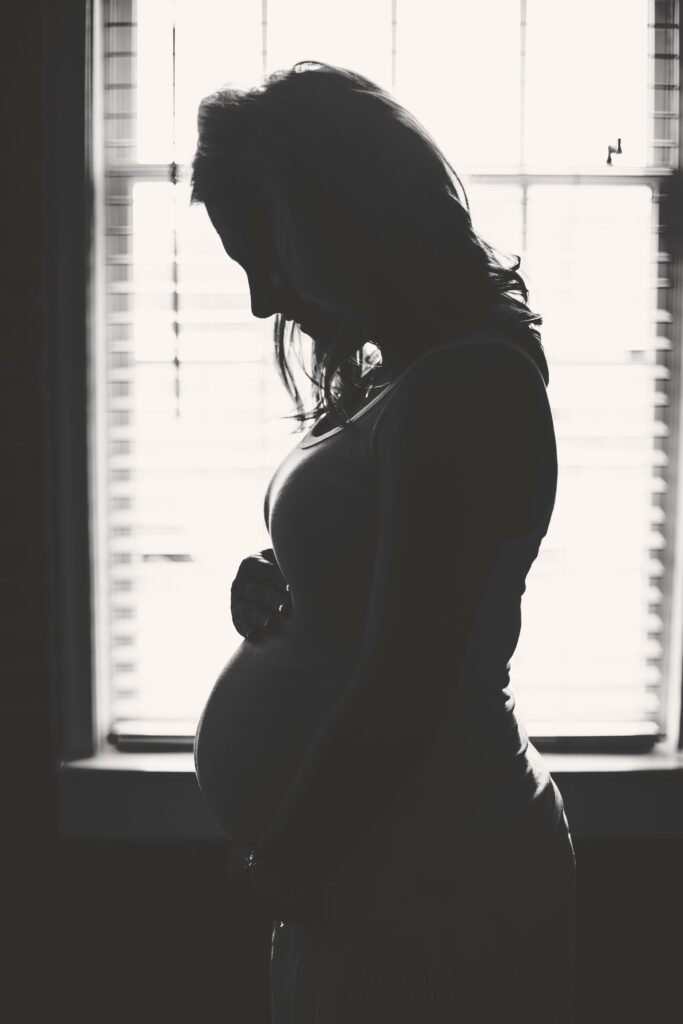
Endometriosis is a disease in which tissue similar to the lining of the uterus grows in other places in the body outside of the womb. Symptoms may include abdominal pain, heavy periods, and infertility. Treatment options include pain relievers, hormones, and surgery.

It occurs when tissue that should line the inside of your uterus, the endometrium, grows outside of it instead. Even though the tissue is outside of your uterus, it still acts like it should during your menstrual cycles. That means at the end of your period, this tissue will break apart and bleed.

However, the blood from this tissue has no place to go. Surrounding areas may become inflamed or swollen, and scar tissue and lesions can develop. The most common site for endometriosis is on your ovaries.

Pelvic inflammatory disease (PID)however is an infection of the organs of a women’s reproductive system. They include the uterus, ovaries, fallopian tubes, and cervix. It’s usually caused by a sexually transmitted infection (STI), like chlamydia or gonorrhea, and is treated with antibiotics.

What are the Symptoms and Causes according to Allopathic (Western) Medicine?

In many cases endometriosis has no symptoms.  Especially during early onset of the disorder. When symptoms are present however, they may include the following :

  • Abdominal cramps and back pain (especially during menstruation)
  • Severe debilitating menstrual cramps 
  • Abnormal or heavy bleeding during periods
  • ‘Flooding‘ (where normal sanitary pads and tampons fail and blood overflows through to your clothing)
  • Painful bowel evacuation and urination (especially during menstruation)
  • Painful sexual intercourse
  • If left untreated can lead to difficulties in becoming pregnant and infertility issues

Doctors don’t know exactly what causes endometriosis. Some experts think that menstrual blood with endometrial cells travels back through the fallopian tubes and passes out into the pelvic cavity where the cells stick to the organs. This is known as retrograde menstruation.

Genetics may also play a role in whether you get endometriosis. If your mother or sister have it, you’re more likely to get it, also. Research also shows that when there is a hereditary link, the disease seems to be worse in the next generation.

Some women with endometriosis also have autoimmune disorders, but doctors are not sure whether this is a cause or an effect of the endometriosis. 

(WebMD, 2019)

Endometriosis and Ayurveda

Any inflammation in the body according to Ayurveda is due to the vitiation (or aggravation) of pitta problems; and so inflammation of the uterus and pelvic area in particular are no different. Pitta is the primary focus of all inflammatory treatment but yet vata also must be considered. This is from both the movement and emotional perspective, where inflammation is transported and carried by vata, through the blood flow.

The disturbance of vata is often caused by mental distress or emotional trauma. Primary treatment however is centred around lowering pitta to drive it from the blood and menstruation systems. There are often toxins (or ama) present due to incorrect diet and lifestyle. This is because the toxins in the blood (pitta ama) feed the infection.

Who is prone to Endometriosis according to Ayurveda?

Kapha women are more susceptible to endometriosis than PID, whereas vata and pitta women are more prone to PID. In all of these cases however, and for all constitutions, vitiated pitta is responsible and is the main humor that has become imbalanced; since they are all inflammatory conditions.

Treatment of Endometriosis and PID 

The main sources of pitta in the body are the blood and liver, and so these must be cleaned and their balance corrected in order to successfully treat endometriosis and PID. 

Treatment normally involves adopting a vegetarian, pitta pacifying diet and a strict avoidance of all spices, alcohol, salt and processed, refined, white sugars. Refined oils should also be completely eradicated as well. In order to reduce pitta, one must also create an emotional environment that is calm and stress free and supportive. Normally this involves a quiet, peaceful, non-competitive, loving space that is not producing anger, frustration, irritations or conflict. 

Ayurveda sees the presence of endometriosis in the pitta time frame of life (between 24 to 45 years old) as an imbalance in the immune system, which is stemming from low ojas, which also affects endocrine and hormonal function. Therefore, the use of ojas-supporting herbs (rejuvenation therapies) is important in balancing both the endocrine and immune systems.

One should never self diagnose in the treatment of endometriosis, as it is a very complex disorder. Please contact a reputable Ayurvedic practitioner who is able to help you in treating you safely and on an individual basis, who will guide you through the treatment process. Ayurveda does not believe in a ‘one size fits all’ approach. Each person will be treated according to her state of imbalance and case history.

Please see other endometriosis and fertility cases that have been successfully treated through Ayurveda here.

(Atreya ,2017)

Professional Ayurvedic Advice

Please note that all of the advice and guidance relating to the Ayurvedic treatment of endometriosis and associated diseases (including the use of herbal medicines noted here) are for knowledge purposes only. The correct dosage should be administered by a qualified Ayurvedic Practitioner. I emphasise that ‘one should NEVER self-diagnose’. The herbs mentioned in this article can be potent and can have contraindications; so they need to be treated with the utmost respect. The same as you would respect the dosage with prescribed drugs from your GP or doctor, the same applies to Ayurvedic medication.

Click the Find Out More button below to discover how Adele can help you with the treatment of endometriosis or any other reproductive issues mentioned in this article.

Read other patient’s previous experience with Ayurvedic treatment for infertility and endometriosis here.

150 150 njqhz

Infertility and Ayurveda

What is Infertility According to Ayurveda?

According to Ayurveda, infertility primarily refers to the biological inability of a woman of reproductive age to contribute to conception. There is also the issue of a woman who is unable to carry pregnancy to full term. Infertility, according to allopathic medicine, is also defined as the failure to conceive after a year of regular intercourse without contraception.

Infertility is becoming more common nowadays due to shifts in lifestyle and diet. So there has become an increasing need to find a solution. In Vitro Fertilisation (IVF) is normally the chosen medical route women take; however this can often be emotionally challenging (for both partners) as well as an invasive form of treatment. 

More and more women are seeking an approach that is less invasive; an approach that has fewer complications; an approach which is less emotionally taxing and of course choosing an approach that is more affordable. 

Causes of Infertility

Infertility is very often, and naturally, associated with the female. However male factors also play a large part. Causes of infertility in women can include ovarian elements, tubal factors, age-related considerations, uterine problems, Poly Cystic Ovary Syndrome (PCOS), endometriosis and fibroid complications etc. A woman’s menstrual cycle can also play a major part and can be affected by many influences, such as poor diet, emotional instability and stress, excessive physical exercise, life-style related issues and occupation, can all be responsible for creating an imbalance of the Doshas (Vata, Pitta and Kapha).

So let’s talk about the ‘less talked about ‘issue of male infertility. This is usually characterised by problems that affect either sperm production or sperm transport (which include varicocele), Sexually Transmitted Infections (STIs), ejaculation problems, tumours, hormone (testosterone) imbalances, defects of tubules that transport the sperm etc.

In Ayurveda, both the male and females are considered for treatment of infertility. This is in order for both to be optimally prepared, as well as supportive of one another, through the treatment process. As for both males and females, the main cause of any abnormal function in the body is agni mandya (aggravation or incorrect digestive fire) as well as tri-dosha dushti (vitiation of all three governing factors of body Vata, Pitta and Kapha). Therefore, your Ayurvedic Practitioner would look to address both of these vitiations in the treatment process for the couple.

Treatment of Infertility in Ayurveda

It is important to note that Ayurveda supports one’s health by strengthening the body’s own self-healing and balancing mechanisms and doesn’t rely on intervention by any outside or foreign substance to replace or correct the hormones in the body. It focuses primarily on the treatment of infertility holistically, with an aim of improving the overall health and quality of life of the individual in the most natural and gentle way.

Dietary Role in Ayurvedic Treatment.

Diet plays a vital and pivotal role in the prevention and cure of diseases and in maintenance of good health. Therefore Ayurvedic treatment involves a strict compliance and adherence to foods that increase Ojas (an intersection factor of physical, mental and spiritual health of the body, responsible for overall health, energy and ‘life-giving’ qualities) and to avoid the substances which diminish the Ojas.

As part of the treatment it is imperative to regulate ovulation and to enhance fertilisation. Eating whole foods, rather than processed foods, provides all of the nutrients for the health of the body. This is in addition to fiber intake that influences  and regulates hormonal levels of the body. Foods such as processed carbohydrates, excess starches; non-organic, antibiotic and hormone laden meat and dairy produce; as well as preserved canned produce, all contribute to destroying fertility.

Ojas building foods include milk, ghee, nuts, sesame seeds, dates, pumpkin seeds, honey, saffron and avocados, fresh organic fruits and vegetables, protein from plant sources (such as lentils, beans, pulses and peas), sweet foods, whole grains, spices (such as ajwain powder), turmeric (in small quantities improves the interaction between hormones and targeted tissues), cumin (purifies the uterus in women and the genito-urinary tract in men) and black cumin boosts fertility.

Diet should also be free from trans-fats as they block arteries, increase the number of free-radicals (cancer causing atoms), threatens fertility and harms the heart and blood vessels and therefore, must be avoided. Foods containing preservatives and other chemicals, like artificial sweeteners, Monosodium Glutamate (MSG), diets high in fat and artificial flavouring and colouring, excess alcohol and caffeine, tobacco, carbonated drinks, smoking, red meat, refined carbohydrates (such as pasta, white bread) etc. can exacerbate the problem of infertility.

Treatment Principles of Infertility in Ayurveda Increase Digestive Fire (Agni Deepana) and Dispel Toxins (Ama Pachana)

Ama formation (toxins created when undigested food forms in the stomach) by the imbalance of Agni (the power of digestion) leads to many diseases. Therefore, the treatment of Ama must always include the treatment of Agni, including the use of digestive and Ayurvedic formulations. This includes eating meals at a proper time following an appropriate schedule. Ayurveda Panchakarma treatments help to eliminate Ama thus correcting one’s Agni. Healthy Agni will also contribute to healthy Ojas in the body.

Vatanulomana

The main dosha involved in infertility is Vata. So correcting the functions of Vata (Vatanulomana) is crucial in the treatment of infertility. Ayurvedic formulations, following routine exercises and following a strict diet schedule will help in Vatanulomana.

Sodhana

The patient has to follow a strict dietary regimen to be followed after Sodhana. This detoxification therapy helps in the expulsion of the toxins from the body. These therapies help to correct ovarian, tubular and uterine problems causing infertility.

Ayurveda treatments help in releasing tension and removing impurities from the body. They nourish the body, revitalize the mind and strengthen the immune system. They are beneficial in reducing stress, nourishing all tissues (dhatus) of the body and pacifying Vata.

Organic Ayurvedic Herbal Medication

Infertility itself does not stand alone. It is the result of some other disease. So the herbs used in the treatment are directed towards eradicating the underlying cause. The most commonly known and used herbs such as Ashwagandha (Withania somnifera), Shatavari (Asparagus racemousus), Amalaki (Emblica officinalis) are extremely beneficial formulations which help create the synergistic hormonal balance between the Follicle Stimulating Hormone (FSH) and the Luteinizing Hormone (LH).

No individual herb alone is considered useful for promoting fertility. Therefore, a combination of herbs are used in the treatment of infertility with the purpose of correcting an organic or functional problem that causes infertility.

Other Ayurvedic herbs used in the treatment for infertility:

  1. Ovulation Disorders – Ashoka, Dashmoola, Shatavari, Aloe vera, Guggulu etc.
  2. Premature Ovarian Failure (POF) – Ashoka, Dashmoola, Shatavari, Guduchi, Jeevanti etc.
  3. Blocked Fallopian Tubes, Scar Tissue and Pelvic Inflammatory Disease – Guduchi, Punarnava etc.

The right combination of herbs helps in regulating menstrual cycles, enhancing general health and wellness, revitalising sperm (enhancing a man’s sperm count, morphology and motility), reducing stress, enhancing sleep, controlling anxiety and increasing energy levels, balancing the endocrine system and improving blood flow in the pelvic cavity, thereby promoting fertility.

Professional Ayurvedic Advice

Please note that all of the advice and guidance relating to the Ayurvedic treatment of infertility and associated diseases (including the use of herbal medicines noted here) are for knowledge purposes only. The correct dosage should be administered by a qualified Ayurvedic Practitioner. I emphasise that ‘one should NEVER self-diagnose’. The herbs mentioned in this article can be potent and can have contraindications; so they need to be treated with the utmost respect. The same as you would respect the dosage with prescribed drugs from your GP or doctor, the same applies to Ayurvedic medication.

Click the Find Out More button below to discover how Adele can help you with infertility treatment or any other reproductive issues mentioned in this article.

Read other patient’s previous experience with Ayurvedic treatment for infertility and endometriosis here.

150 150 njqhz
Privacy Preferences

When you visit our website, it may store information through your browser from specific services, usually in the form of cookies. Here you can change your Privacy preferences. It is worth noting that blocking some types of cookies may impact your experience on our website and the services we are able to offer.

For performance and security reasons we use Cloudflare
required
Our website uses cookies, mainly from 3rd party services. Define your Privacy Preferences and/or agree to our use of cookies.